


[2026 Guide] Mastering the SSW Visa for Japan’s Transport Industry: Requirements & Driving License Hurdles
It is now 2026, and two years have passed since the logistics and transportation “2024 Problem” became a reality in Japan. While the shortage of drivers remains a critical challenge, the “Specified Skilled Worker (SSW)” visa is finally being utilized as a vital solution.
However, hiring international talent for the automobile transport sector involves high hurdles, most notably the “License Barrier.” This guide provides a clear overview of the system and the specific requirements for hiring in 2026.
What is the “Automobile Transport” SSW Visa?
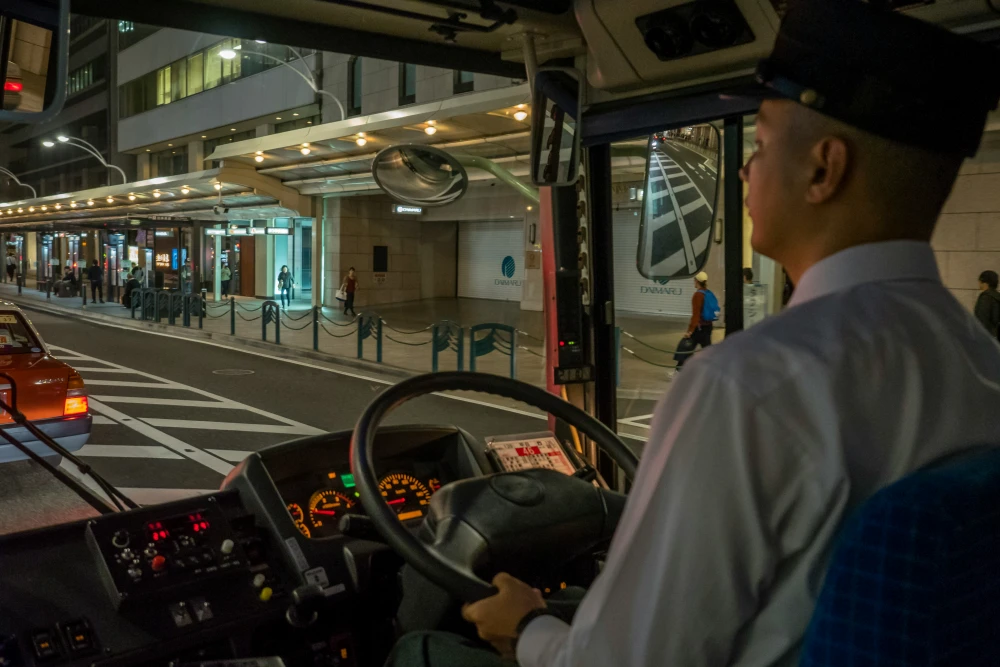
Since the system was established in 2024, the use of international personnel in the transport industry has been steadily progressing. Let’s first clarify which operations are covered.
Three Target Fields (Truck, Taxi, and Bus)
Under the SSW program for automobile transport, international workers are permitted to work in the following three categories:
- Truck (Freight): Transportation of goods and associated loading/unloading tasks.
- Bus (Route/Charter): Driving public or tour buses and ensuring passenger safety.
- Taxi: Driving passenger vehicles and providing customer support.
Why is this Visa Crucial Now? (The Infrastructure Crisis)
Due to the tightening of labor hour regulations in April 2024, maintaining Japan’s logistics and transportation infrastructure became difficult. Issues like the cancellation of local bus routes and restrictions on redeliveries have become significant social problems. The SSW visa was introduced as the “trump card” to resolve this absolute labor shortage.
Three Essential Conditions for Foreign Drivers

To work as an SSW driver, candidates must meet stricter criteria compared to other industries like manufacturing or construction.
Condition 1: Passing the SSW Skills Test
Candidates must pass the skills evaluation test specific to their field (Truck, Bus, or Taxi). This exam covers knowledge of vehicle inspection and safety regulations.
Condition 2: Japanese Proficiency (N4+) and Communication Skills
Passing a basic Japanese language test (JLPT N4 or higher, or JFT-Basic) is mandatory. Furthermore, workers need the communication skills to understand road signs and report accidents or delays in real-time.
Condition 3: The “Biggest Hurdle” – Obtaining a Japanese Driving License
This is the most significant challenge. To work under the SSW visa, you must possess a valid Japanese Driver’s License.
- Truck: Standard, Mid-size, Quasi-medium, or Large license (depending on the vehicle).
- Bus: Class 2 Large-size License (Extremely high difficulty).
- Taxi: Class 2 Standard-size License (A specialized license for passenger transport).
The key to success lies in how companies support their employees through the process of converting foreign licenses or attending Japanese driving schools after arrival.
Strict Requirements for Receiving Companies

Employers also face high standards to be eligible to hire SSW workers.
Is “G-Mark” Certification Mandatory?
In the truck sector, companies are strongly expected to have “G-Mark” (Safety Excellence Business Office) certification or an equivalent safety management system. This proves the company can protect international workers and maintain proper labor management.
Reporting to MLIT and Labor Compliance
Employers must join the relevant councils and report to the Ministry of Land, Infrastructure, Transport and Tourism (MLIT). Compliance with “transport-specific regulations,” such as mandatory alcohol checks and strict management of working hours, is rigorously monitored.
The “Class 2 License” and “N3 Level” Barrier for Taxis and Buses
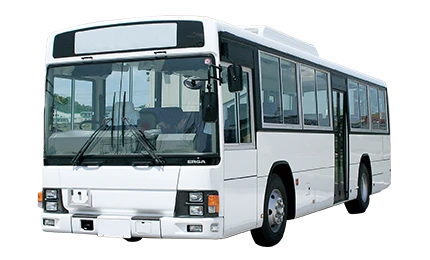
Passenger transport (bus and taxi) has even stricter requirements than freight (truck). The “Class 2 License” is the core of this challenge.
Higher Standards for Passenger Transport
The primary reason for these strict rules is the responsibility of protecting passenger lives. Drivers must handle emergency evacuations and respond to passengers’ sudden illnesses. Consequently, JLPT N3 level proficiency is practically a prerequisite.
The Written Exam: “Trick Questions” are the Biggest Obstacle
The pass rate for the Class 2 License written exam is not very high, even for Japanese citizens. This is because the exam is filled with “trick questions” and complex Japanese phrasing regarding traffic laws.
- Vocabulary Barrier: Drivers must understand technical legal terms like “Slow Down” (Joko) vs. “Temporary Stop” (Ichiji-teishi) in a legal context.
- Reading Comprehension: While multilingual exams are becoming more common in 2026, an N3 level of reading is essential to avoid accidents and legal trouble after starting the job.
Hospitality Skills for SSW Taxi Drivers
Taxi drivers need more than just driving skills; they must handle digital payment terminals, suggest tourist routes, and assist passengers in wheelchairs. They are expected to understand and execute Japan’s high standards of “Omotenashi” (hospitality).
Conclusion: Protecting the Future of Logistics

Practical Knowledge is Essential
In 2026, hiring international drivers has become a standard strategy, but we still see cases where plans fail due to delays in license acquisition or paperwork errors.
Total Support for Complex Transport Visas
The SSW visa for the transport industry is a complex procedure involving Immigration law, the Road Transport Act, and the Motor Truck Transport Business Act.
- “I don’t know where to start.”
- “How do I maintain employment while they wait for their license?”
If you have these concerns, contact Ishinagi Administrative Scrivener Office in Osaka. We provide total support to navigate these legal complexities and protect your business’s future.
Ishinagi Administrative Scrivener Office
If you would like to renew or change your work visa quickly and reliably, or if you feel uncertain about the application process, please feel free to consult with our office in Yodogawa-ku, Osaka. We provide support for clients from all over Japan, making use of our extensive experience in dealing with the Immigration Bureau.
If you wish to proceed with your work visa renewal or change of status smoothly and with confidence, please do not hesitate to contact us.
▶ Click here to see our fee schedule
“▶ See our office’s fee schedule here”

Related Articles
Need to Renew or Change Your Work Visa in Osaka?|Ishinagi Administrative Scrivener Office

▶︎ Thinking about applying for Specified Skilled Worker Visa in Osaka?|Ishinagi Administrative Scrivener Office

▶︎ Thinking about applying for a Spouse Visa in Osaka?|Ishinagi Administrative Scrivener Office



Please contact us using the inquiry form below.
If you are in a hurry, feel free to call us at
06-7777-3467
(9:00 AM – 11:00 PM, Monday to Friday)
Please note that we may be unable to answer immediately if we are assisting other clients.
In that case, kindly leave a voicemail, and we will call you back as soon as possible.
About Our Privacy Policy
To learn about the privacy policy of “Ishinagi Administrative Scrivener Office,”
please refer to the link below:

Representative Administrative Scrivener: Takanori Ishinagi
Japan Federation of Certified Administrative Procedures Legal Specialists (Registration No.: 24260930)
Osaka Administrative Scrivener Association (Membership No.: 008905)
Certified Immigration Agent (Notification No.: Gyō-172025200093)
Neo Heights Shin-Yodogawa Room 406,
1-20-18 Jūsōhigashi, Yodogawa-ku, Osaka 532-0023, Japan
Feel free to contact us.
We will respond politely and clearly.
Business Hours: 9:00 AM – 11:00 PM (Monday to Friday)
Closed: Saturdays, Sundays, and national holidays
※ Email and LINE inquiries are accepted 365 days a year.
![[2026 Guide] Mastering the SSW Visa for Japan's Transport Industry: Requirements & Driving License Hurdles](https://office-ishinagi.com/wp-content/uploads/2026/02/Gemini_Generated_Image_yofoquyofoquyofo-300x224.webp)
コメント